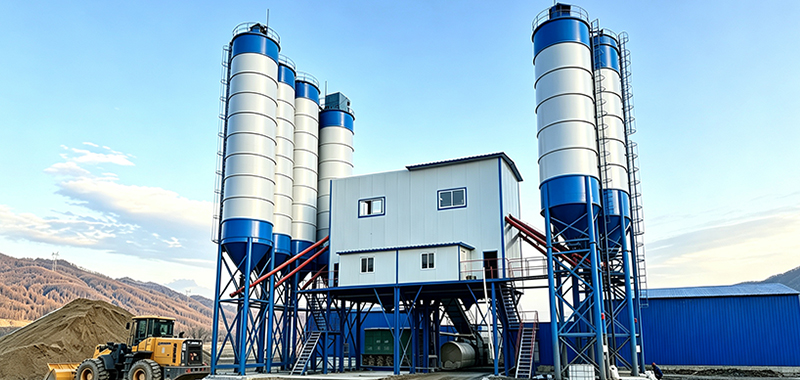
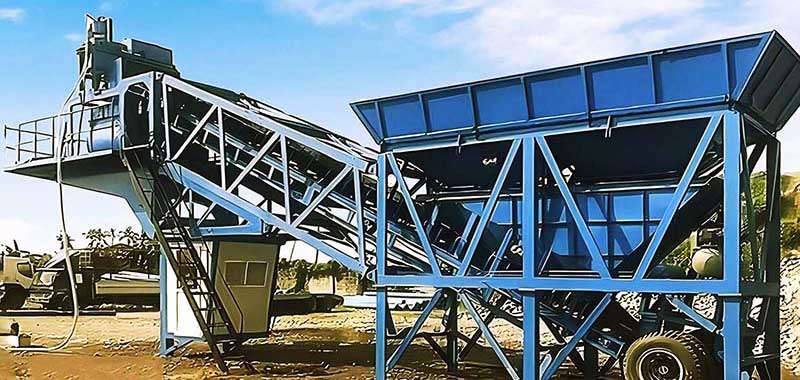
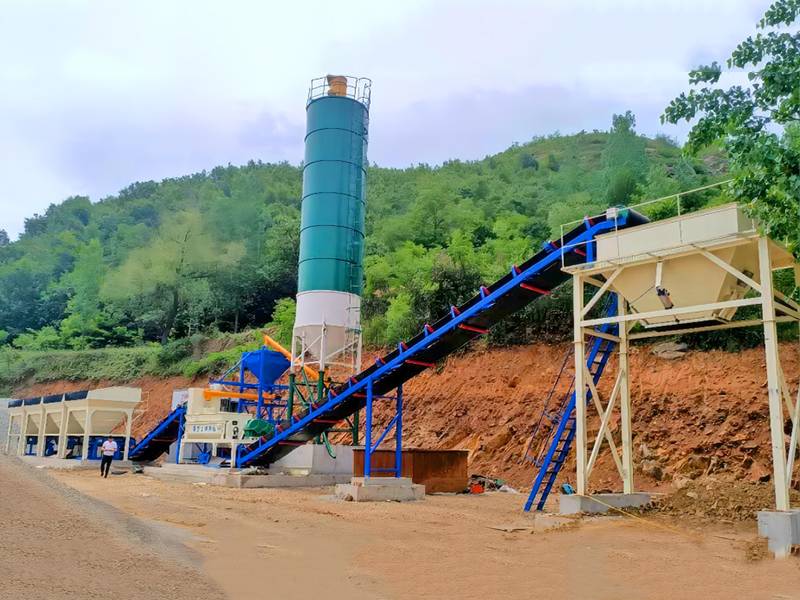
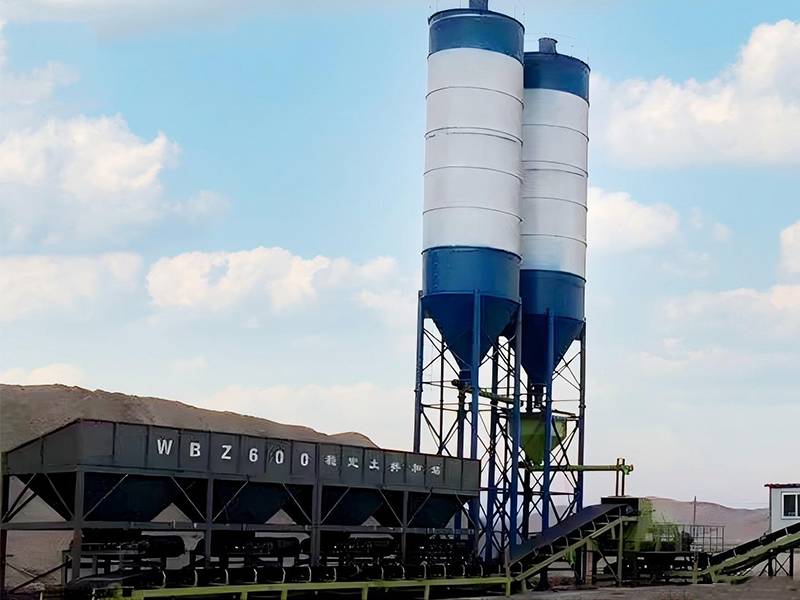
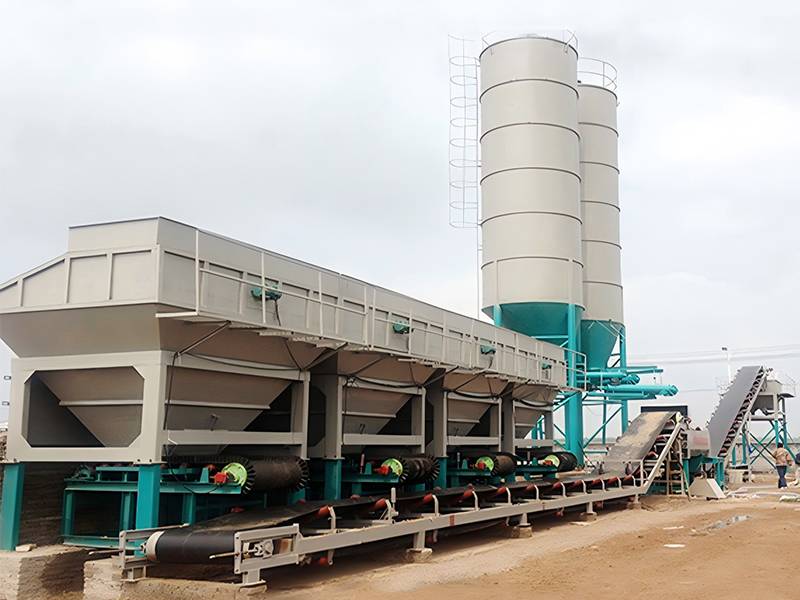
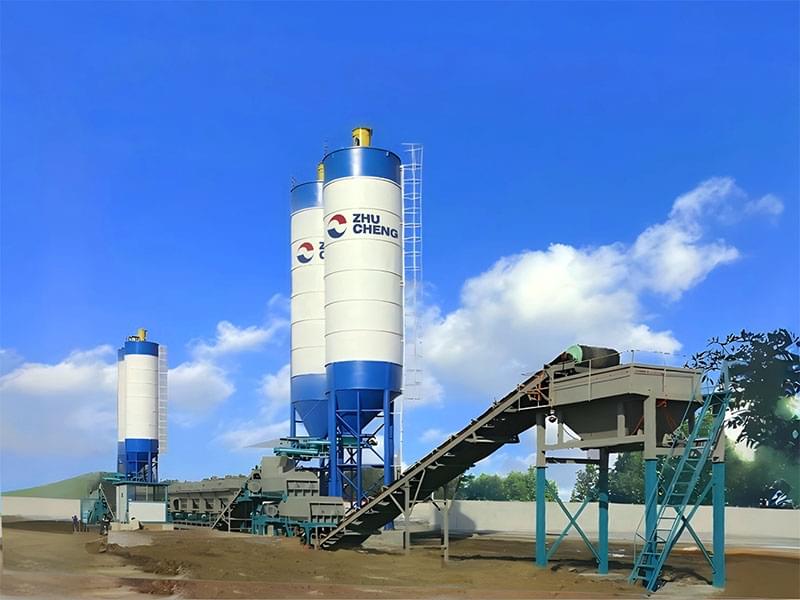
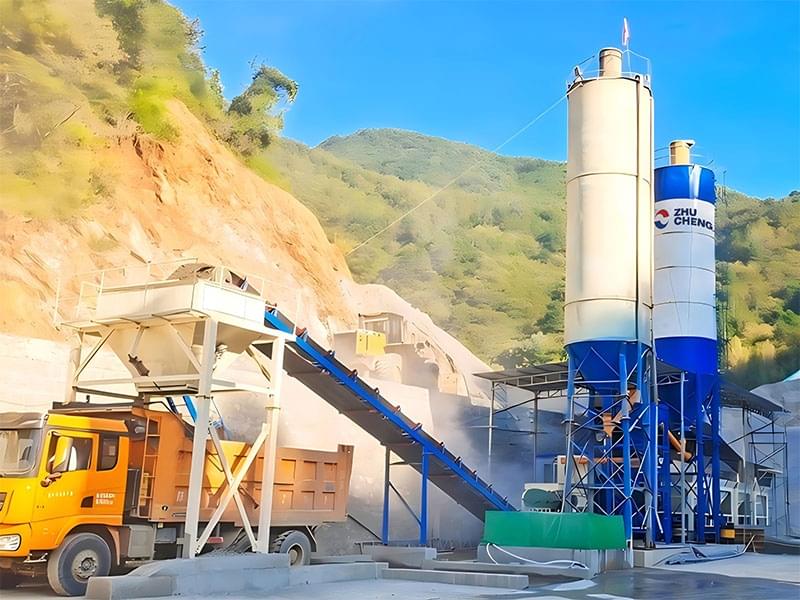
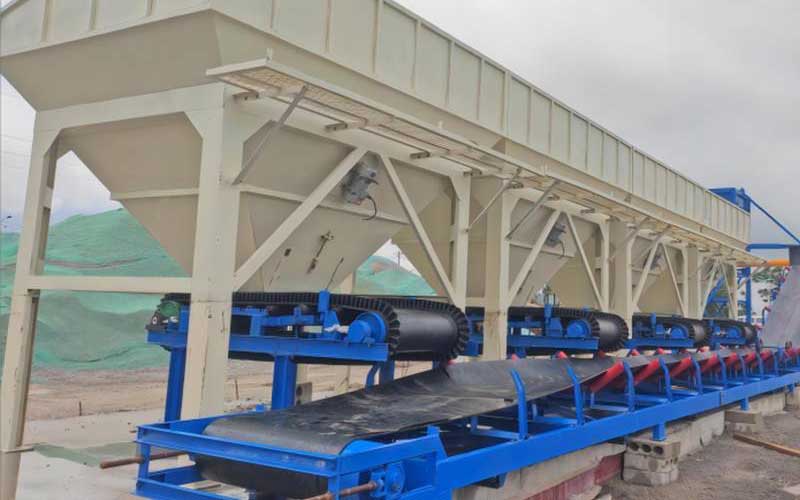
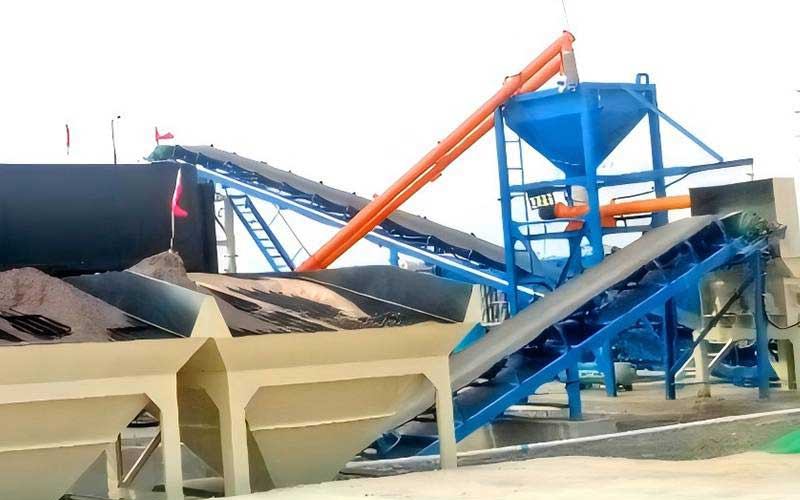
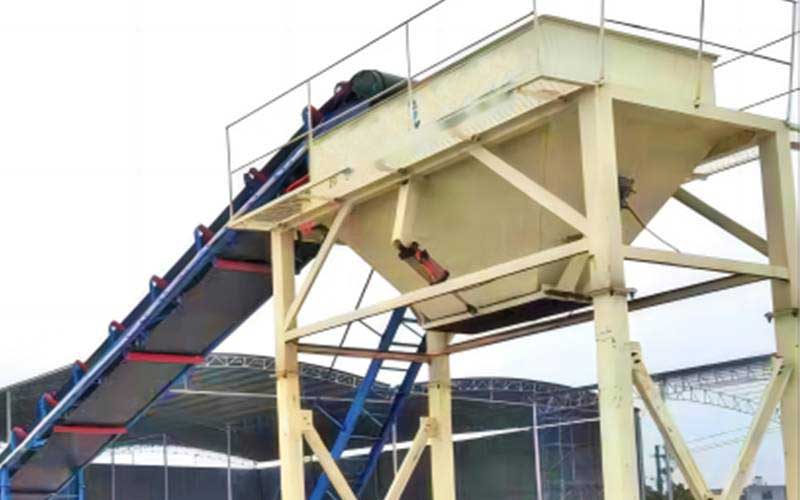
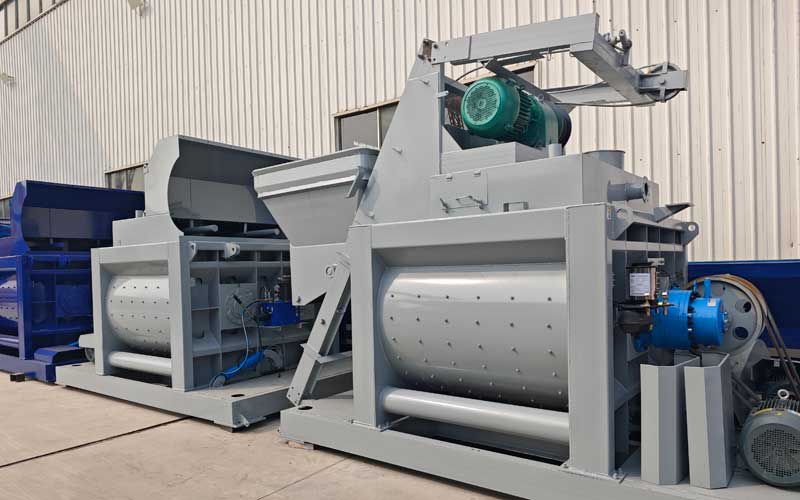
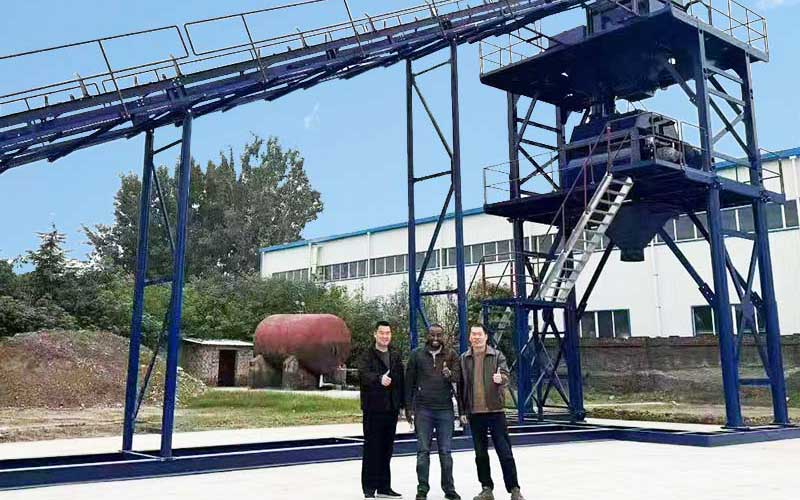
The stationary stabilized soil mixing plant is suitable for large-scale continuous operation for the stabilized base course in highway construction. Aggregate, binder, and water are controlled by frequency conversion to regulate flow rate, ensuring high measuring accuracy and stability. The number of aggregate bins can be adjusted from four to six according to project requirements.
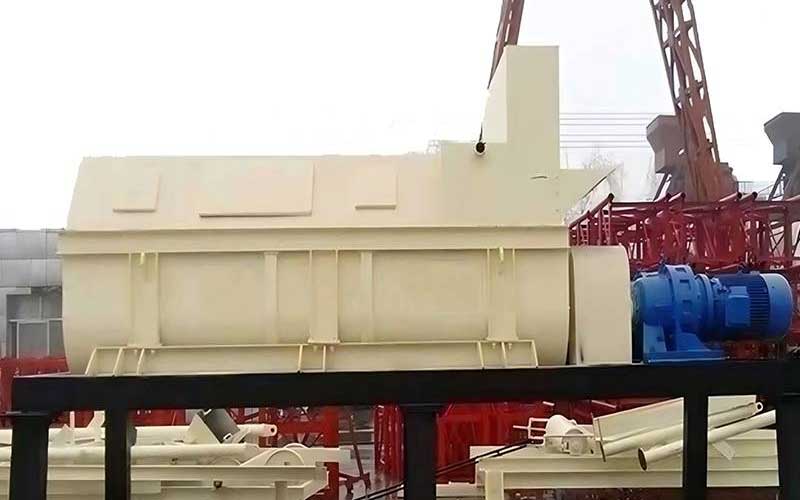
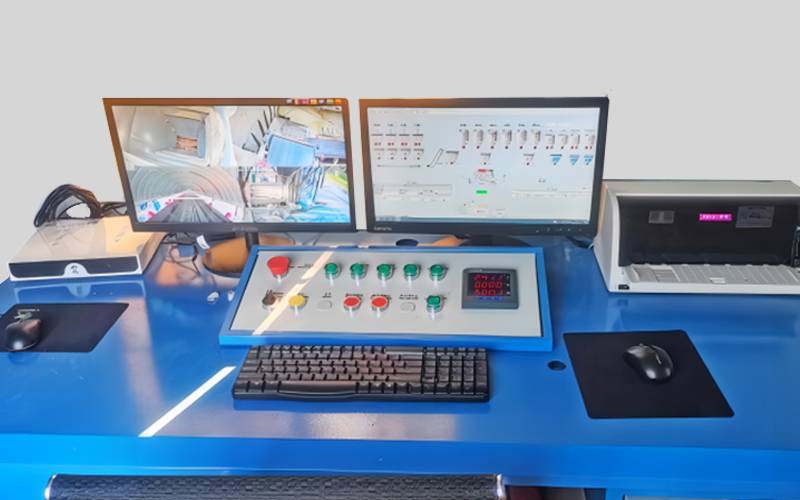
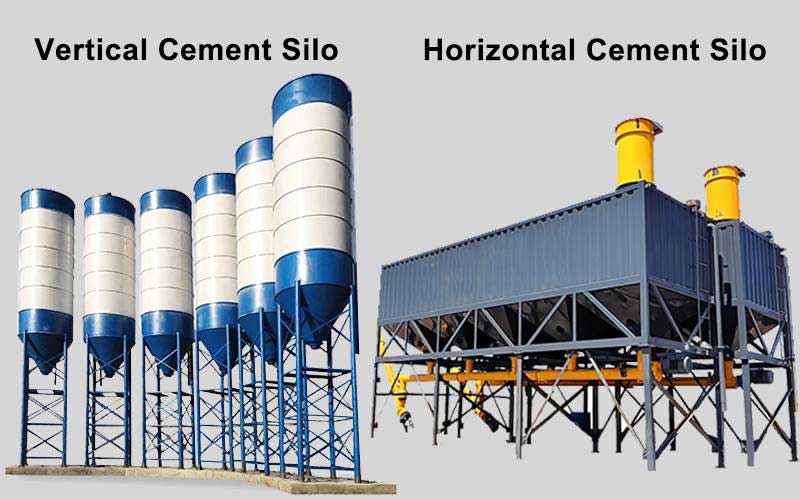
WBZ600 Stabilized Soil Plant mainly consists: aggregate batching system, binder feeding system, water supply system, continuous mixing host, conveying and discharging system, and automatic control system. It can accurately weigh and mix aggregate, cement, lime and water to produce qualified stabilized soil for road base construction.

|
Model |
WBZ-600 |
|
Theoretical Productivity |
600t/h |
|
Max. Aggregate Size |
≤60mm |
|
Concrete Batching Machine |
4×10m³ |
|
Finished Hopper |
10m³ |
|
Aggregate Weighing Precision |
<±2% |
|
Water Weighing Precision |
<±1% - ±2% |
|
Cement Weighing Precision |
<±1% |
|
Mixer Rotating Speed |
117r/min |
|
Total Power |
140kw |
|
Mixer Power |
90kw |
|
Total Weight |
47t |
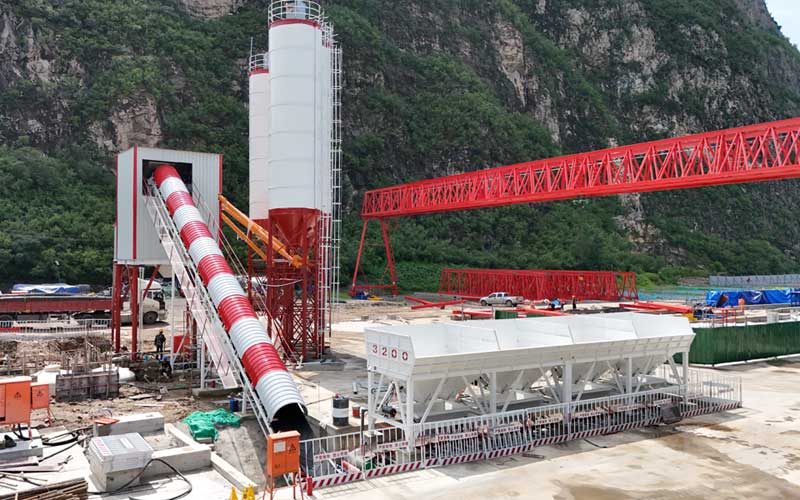
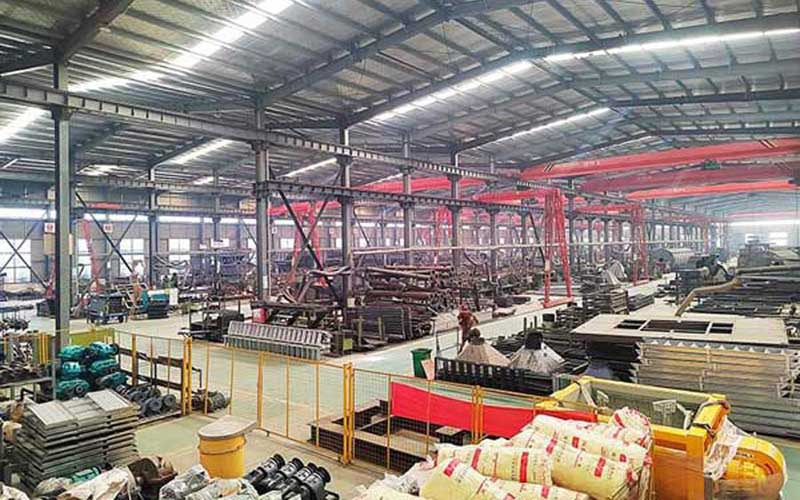
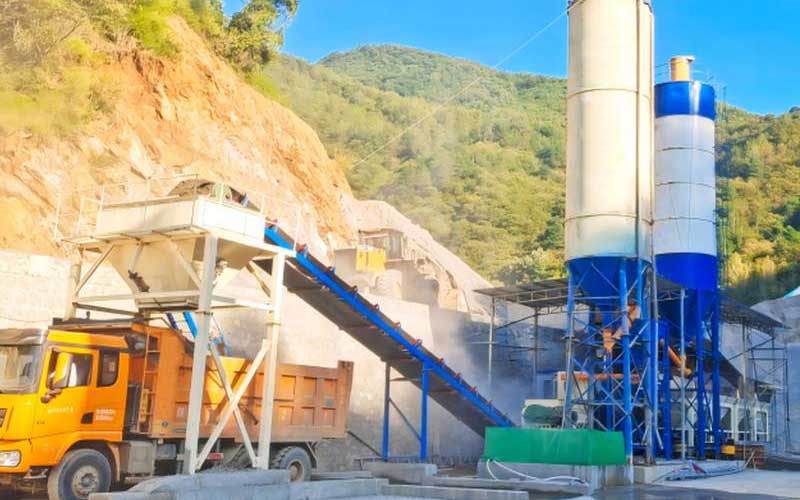
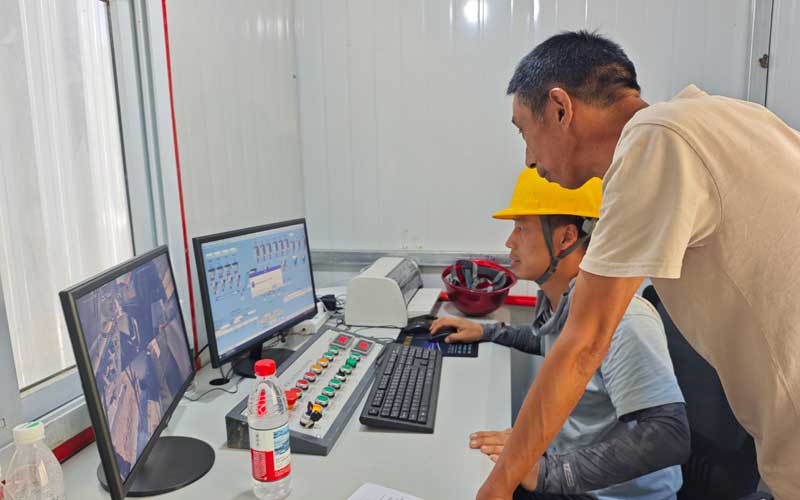
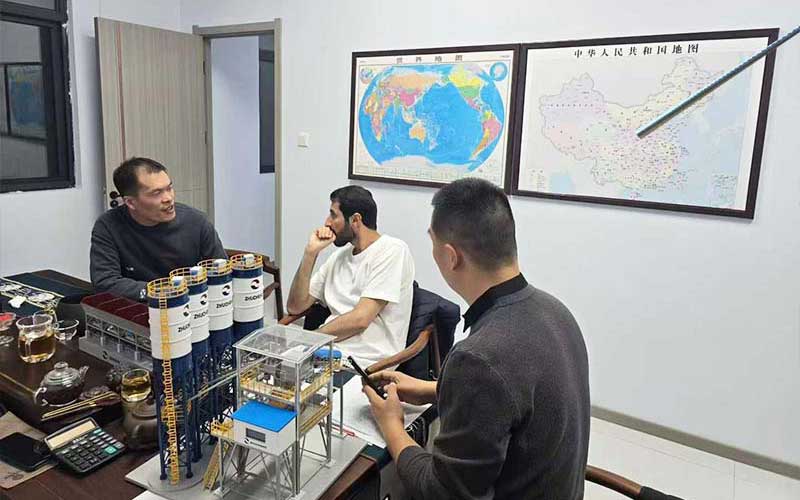
We offer professional pre-sales consulting support to fully understand customer needs. We optimize equipment configuration plans, provide reliable data and solutions for decision-making, and deliver customized R&D and production.
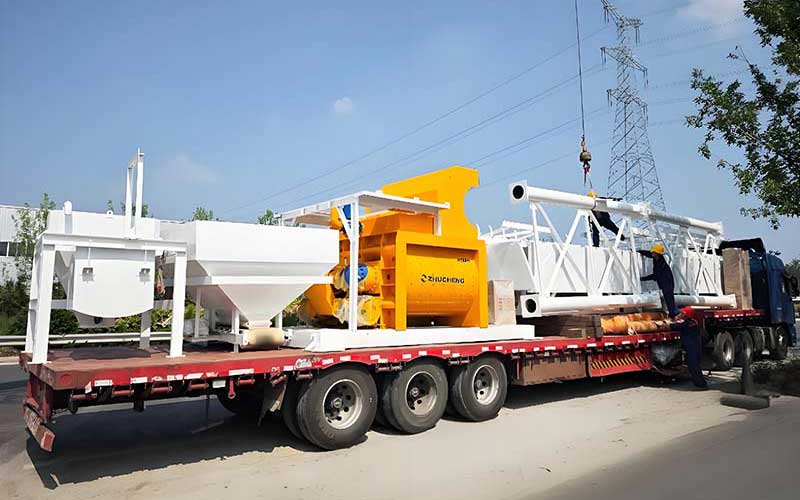
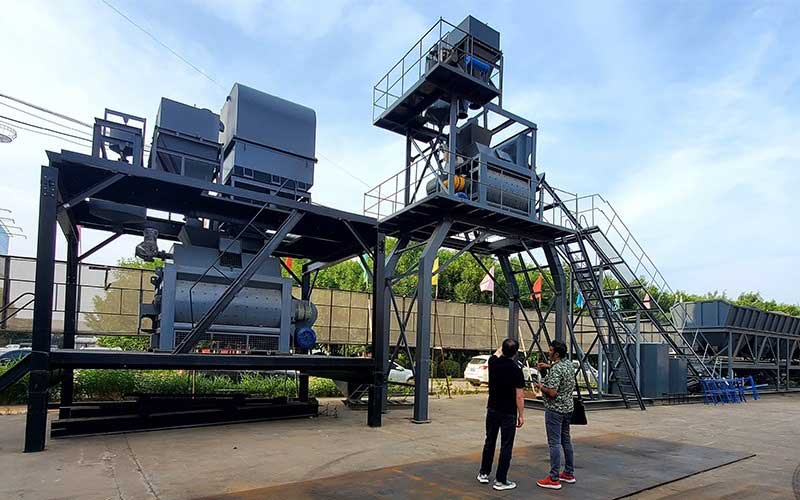
We provide complete sales solution support for customers. We carry out detailed concrete mixing plant site planning and select the most reasonable installation plan based on site conditions and project requirements.
We provide all-round after-sales support including 24h online technical support, professional operation training, telephone and remote service, on-site maintenance, as well as equipment upgrade and relocation.
We provide reliable warranty service: one-year warranty for the whole machine, two-year warranty for core components, and free replacement for some wearing parts within the warranty period.

Housing and construction projects
Mainly include residences, office buildings, shopping malls and factories. They are mostly located in urban or suburban areas with relatively compact sites and tight construction schedules. High requirements are placed on concrete workability and pouring performance to meet the structural needs of different strength grades.
Municipal roads, squares and pipeline networks
These projects are mostly constructed in urban areas with heavy traffic interference. Construction is usually carried out in sections and at a fast pace. Concrete is required to have early strength, wear resistance and crack resistance to resume traffic quickly and ensure long-term stability.
Highway projects
They have long routes and large spans, mostly constructed in field environments with complex climate and geological conditions and long transportation distances. Concrete is required to have good stability, fatigue resistance, freeze-thaw resistance and impermeability for large-area continuous construction and long-term heavy load use.
Bridge projects
These projects are mostly over water, at high altitudes or crossing traffic lines, significantly affected by wind, temperature difference, water flow and heavy loads. Construction conditions are complex. Concrete is required to be high-strength, high-flowability, corrosion-resistant and chloride-ion penetration resistant.